4 surprising reasons to get your hearing checked
Ignoring hearing loss can harm your physical and mental health. Keep reading to learn why it’s important to have regular hearing exams.
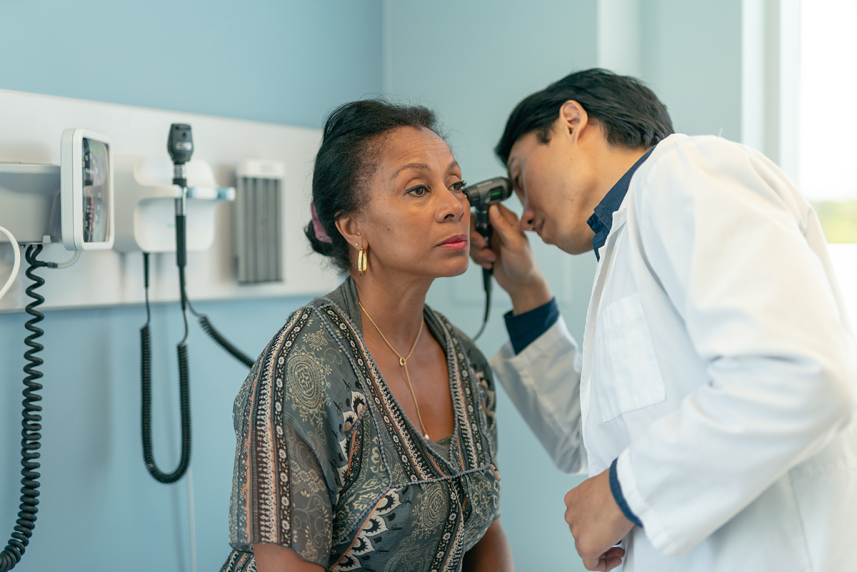
While it may sound strange, the effects of hearing loss reach well beyond your ears. In fact, it can affect you from head to toe. Hearing problems play a role in brain health and mood. You can also get hurt by not hearing warning sounds, like sirens or horns. As more time passes, the chances of hearing loss-related health issues goes up.
It shouldn’t be that way. You can catch hearing loss early by staying on top of your annual hearing exams. And there are many ways your provider can help preserve and improve your hearing. They can remove wax blockages, for instance, or recommend hearing aids and other devices that can strengthen sound.
If you’re due — or overdue — for your hearing exam, here are four reasons to schedule one today.
1. Strong hearing helps you stay mentally sharp
There’s a connection between hearing loss and mental decline. This may be partly because hearing loss can exhaust your mental reserve — that’s your brain’s ability to adapt and find different ways of completing a task.
Hearing loss can also make it harder to communicate, leading some people to avoid being social. That can take away things that keep the brain active and engaged, such as talking with others, trying new things and being active.
Most of our plans include coverage for hearing exams and hearing aids through a network provider. Hearing benefits generally include one annual routine hearing exam and hearing aid fitting covered at 100 percent.
Stay safe at home
You have an annual benefit amount (allowance) to purchase certain approved home safety products like travel walkers, folding canes and bath mats.
To learn more about this benefit and order approved products, call 1-866-799-3832 (TTY: 711) Monday through Friday, 8 AM to 8 PM local time.
2. Strong hearing helps keep you upbeat
There is a link between hearing loss and feelings of depression, anxiety and frustration in adults.* Older adults with hearing problems may isolate themselves or find it difficult to engage in everyday activities. This reduces social interaction can lead to a decline in overall mental well-being and quality of life. Over time, the lack of communication and connection with others may also contribute to cognitive decline and increased feelings of loneliness. Seeking help from your provider can improve communication and help you stay engaged.
3. Strong hearing is tied to your heart health
Studies show there is a connection between heart disease and hearing loss. It may be that they share some of the same risk factors.
The ear needs a good blood supply from small arteries to work well. Heart and blood vessel disease (CVD) can reduce this blood flow and damage parts of the ear. This damage often causes permanent hearing loss, which is usually helped with hearing aids.*
If your ear doctor find that you have hearing loss, it could be a sign that you're at risk for heart disease. You could follow up with your primary care provider (PCP). They can make a recommendation to a hearing doctor.

Find a local pharmacy
Visit our pharmacy finder and enter your ZIP code to locate a network pharmacy near you.
4. Strong hearing can lower your chance of trips and falls
Older adults with hearing loss may be more likely to experience falls. This could be partly because it can affect balance and awareness of surroundings. The inner ear plays an important role in maintaining balance, and reduced hearing may also make it harder to notice things like approaching cars or other people. This increases the risk of accidents. Getting your hearing checked regularly and doing simple balance exercises can help you lower your risk of falling.
The take-home message:
If you suspect your hearing isn’t as strong as it used to be, don’t wait to get your hearing checked. The same goes if the people in your life have suggested that you’ve missed or misunderstood parts of conversations. It’s not just your hearing that’s at stake. Your physical, mental and emotional health are too.
*Some plans don’t offer a hearing benefit. Check your Evidence of Coverage (EOC) for details.
You can speak to a licensed registered nurse 24/7 to get answers to your questions about allergies and more. Call 1-800-556-1555 (TTY: 711).
SOURCES
* FOR DEMENTIA: National Library of Medicine. Hearing impairment and dementia: cause, catalyst or consequence? May 16, 2025. Accessed April 2, 2026.
* FOR MENTAL HEALTH: American Academy of Audiology. Depression and Hearing Loss. Accessed April 2, 2026.
* FOR HEART HEALTH: American Academy of Audiology. Heart Disease and Hearing Loss. Accessed April 2, 2026.
*If you’re a Florida plan member, you can reach your care team at 1-844-498-1860 (TTY: 711), 7 days a week, 8 AM to 11 PM ET.
See Evidence of Coverage for a complete description of plan benefits, exclusions, limitations and conditions of coverage. Plan features and availability may vary by service area. Participating health care providers are independent contractors and are neither agents nor employees of Aetna. The availability of any particular provider cannot be guaranteed, and provider network composition is subject to change.
This material is for informational purposes only and is not medical advice. Health information programs provide general health information and are not a substitute for diagnosis or treatment by a physician or other health care professional. Contact a health care professional with any questions or concerns about specific health care needs. Providers are independent contractors and are not agents of Aetna. Provider participation may change without notice. Aetna is not a provider of health care services and, therefore, cannot guarantee any results or outcomes. The availability of any particular provider cannot be guaranteed and is subject to change. Information is believed to be accurate as of the production date; however, it is subject to change. For more information about Aetna plans, refer to our website.
©2026 Aetna Inc.
Y0001_NR_7800006_2026_C
2170180-07-01